Vanessa recently took a job with the Environmental Defense Fund as a staff writer. She looks forward to helping EDF tell stories about the most critical issue of our time: climate change.
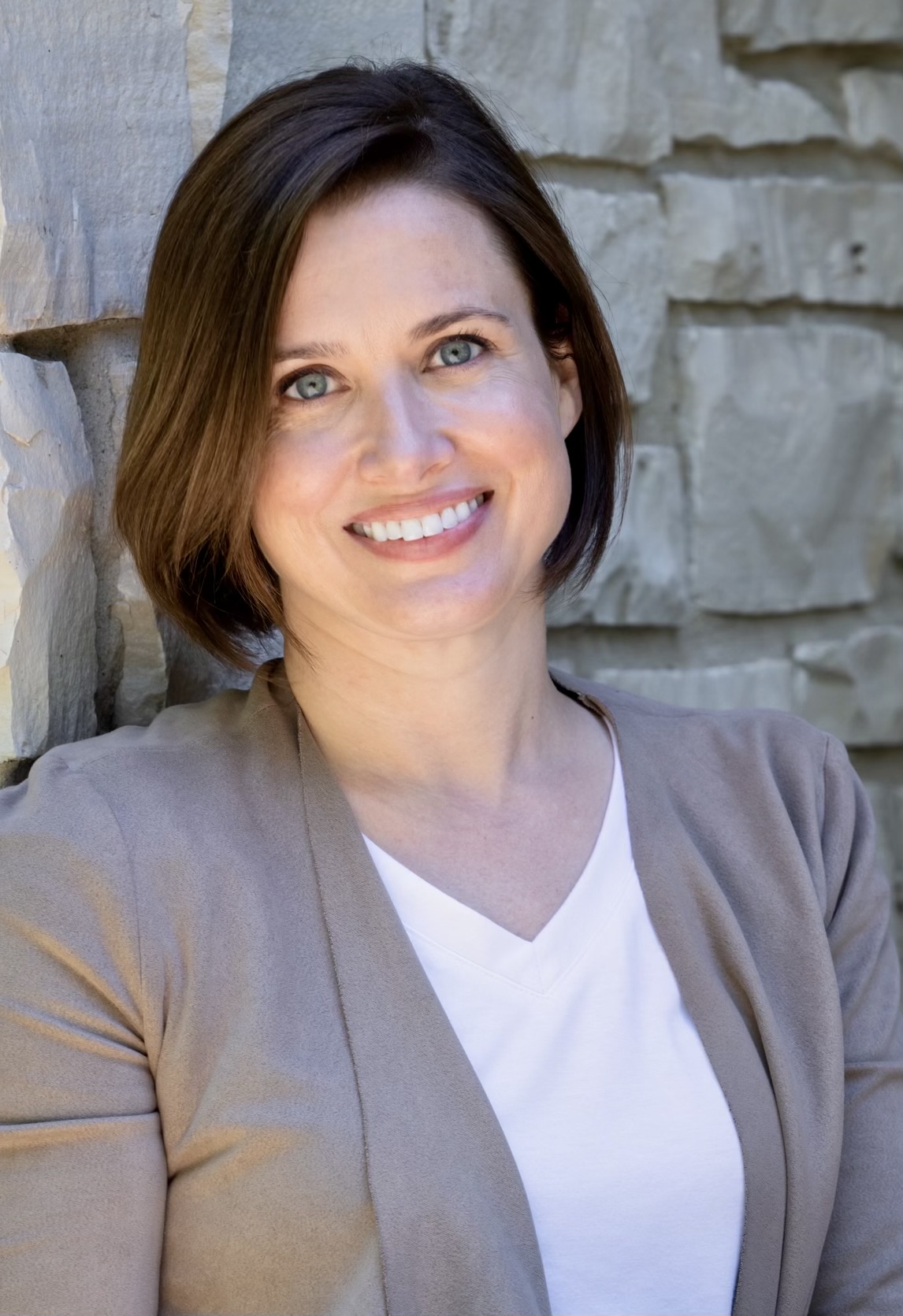
Vanessa recently took a job with the Environmental Defense Fund as a staff writer. She looks forward to helping EDF tell stories about the most critical issue of our time: climate change.

Patrick Harwood (MSJ90)
Patrick Harwood has published his fifth book, “Stories from the Underground: The Churchyards of Charleston.” (BirdsEyeViews Publications). The book examines Charleston, S.C.’s rich, diverse and interesting history through the prism of its religious burial grounds. Harwood has resided in the Charleston, S.C. area since 1990. He is a communication professor at South Carolina State University. For more information, visit mybirdseyeviews.blogspot.com.
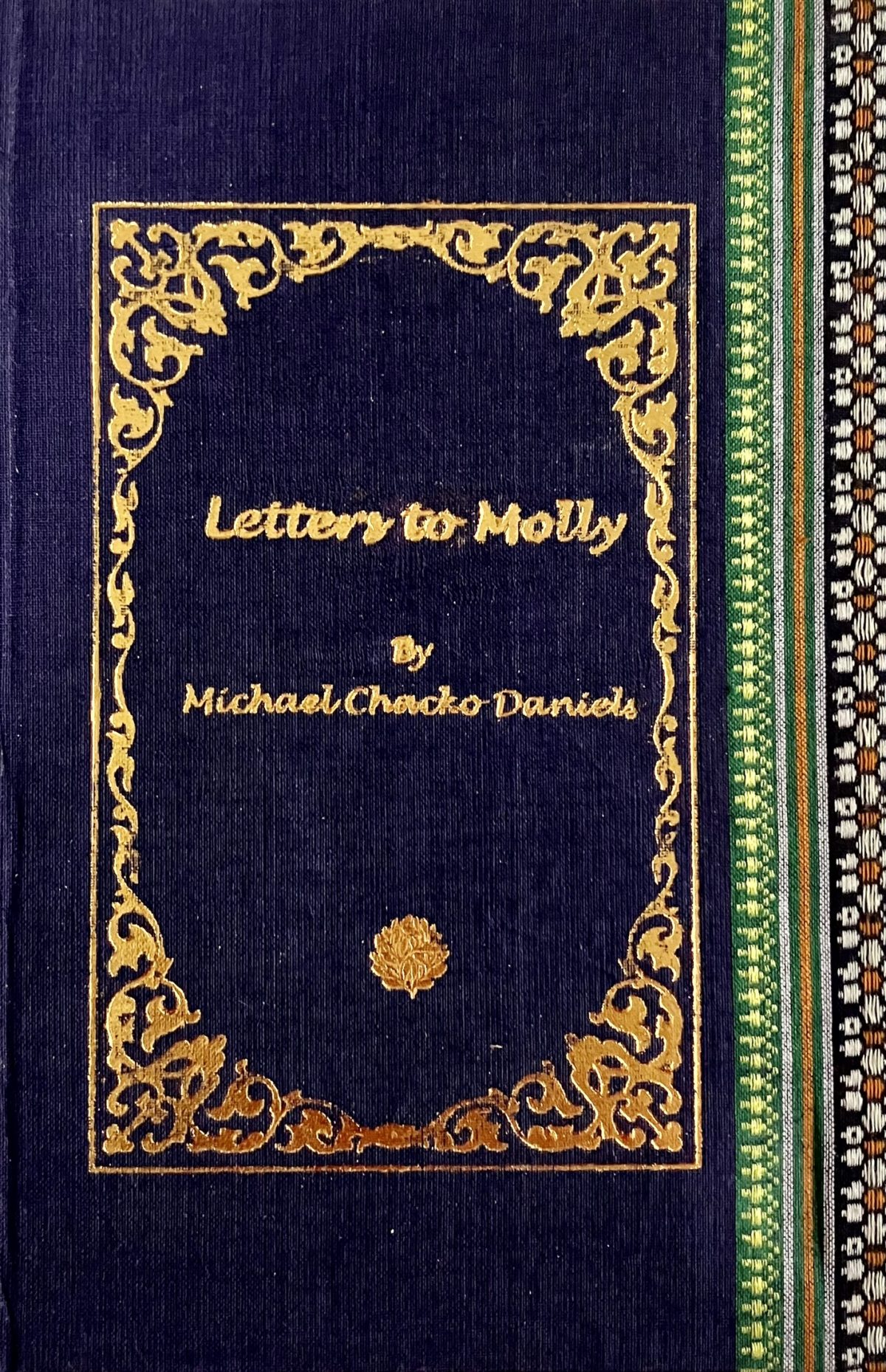
Michael Chacko Daniels (MSJ68)
Michael Chacko Daniels’ new poetry collection—Letters to Molly: Lady on a Red Leash & Other Poems—discovers poetry in the seemingly mundane events of everyday life. His eyes and ears are wide open, as he captures in precise detail the quirky behavior and dialogue of people he meets at San Francisco farmers markets, on buses and trolleys, and hiking trails. He’s a consummate storyteller, and many of his poems, which are based on emails he sent to his sister Molly, are miniature stories, laced with humor and are often quite touching. Daniels has many more arrows in his quiver. In addition to their engaging content, the poems are a delight to read because of Daniels’ visual artistry, the varied and imaginative spacing of his lines, and the different fonts occasionally employed, all used to great effect. Poems such as “The Land Imagined” and “Tastes More Like Bombay” are simple and understated, yet succeed in revealing, as many poems in this collection do, the love between Daniels and his sister.
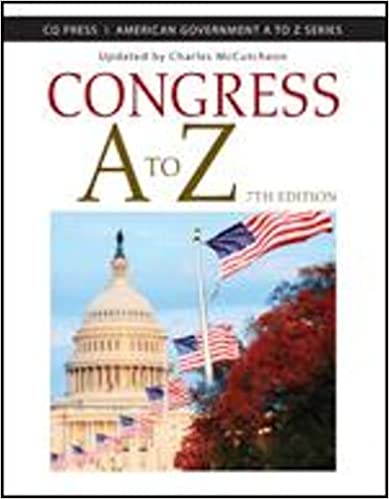
Chuck McCutcheon (BSJ85)
The seventh edition of “Congress A to Z,” a SAGE Publications college textbook about Capitol Hill policy and politics, was published in July 2022. The update includes new entries on coronavirus, Black Lives Matter and numerous other issues.
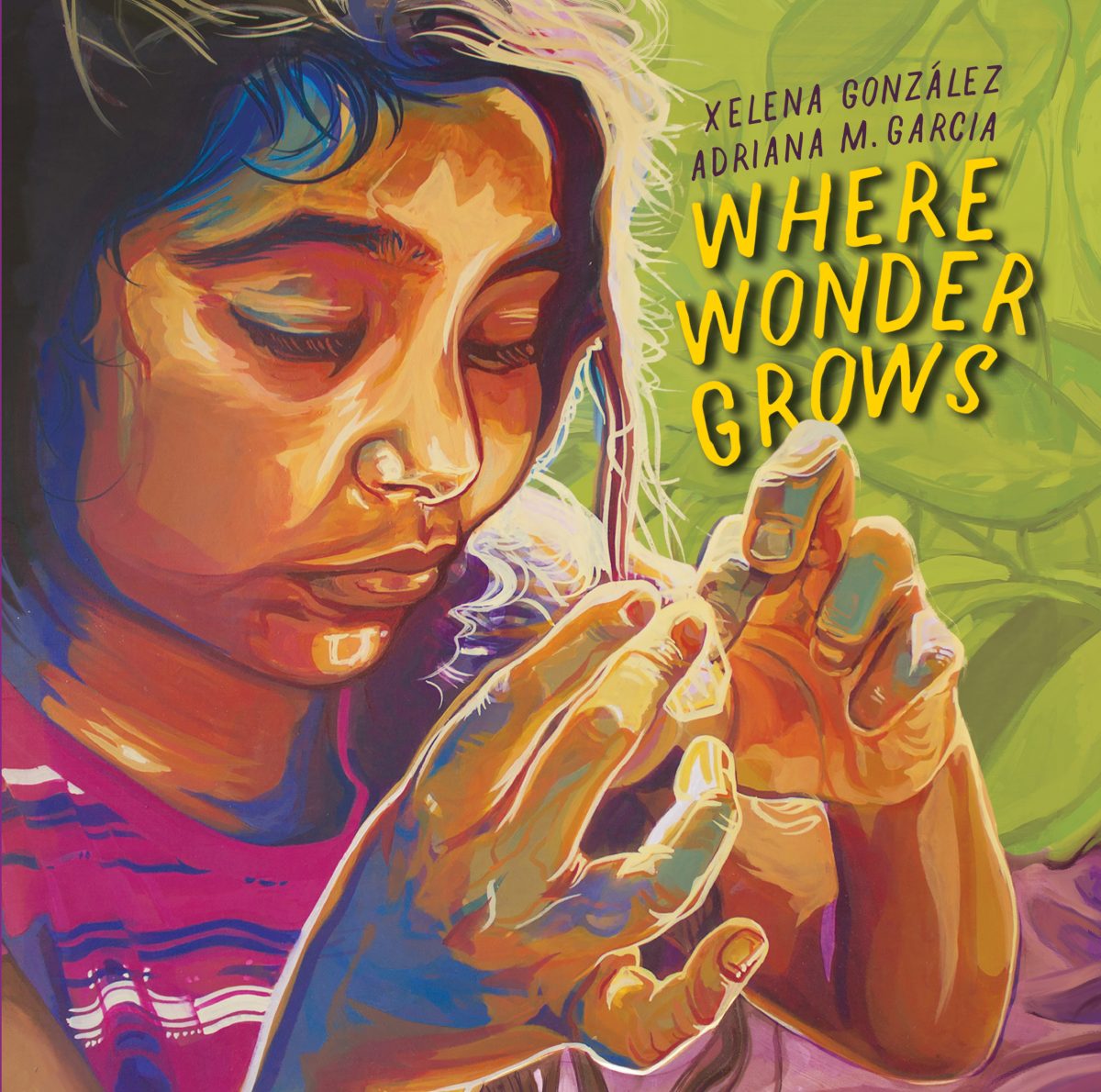
Xelena González (BSJ01)
When Grandma walks to her special garden, her granddaughters know to follow her there. Grandma invites the girls to explore her collection of treasures–magical rocks, crystals, seashells, and meteorites–to see what wonders they reveal. “They are alive with wisdom,” Grandma says. As her granddaughters look closely, the treasures spark the girls’ imaginations. They find stories in the strength of rocks shaped by volcanoes, the cleansing power of beautiful crystals, the mystery of the sea that houses shells and shapes the environment, and the long journey meteorites took to find their way to Earth. This is the power of Grandma’s special garden, where wonder grows and stories blossom.
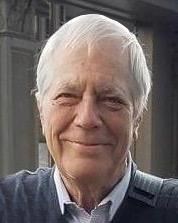
He had the street-smarts of a newsman, the whimsey of a jazz-loving poet, and a reformer’s distaste for all things unjust. Hank DeZutter, 80, died July 14 of a brain bleed after a fall days earlier in the Lincoln Park apartment he shared with wife Barbara.
Hank covered protests and political unrest during the late 60s for the Chicago Daily News, winning awards including one for exposing FBI spying on activists at the U. of Illinois. He helped launch the Chicago Journalism Review in response to the overly pro-police slant editors gave to violence during the ’68 Democratic Convention.
Hank went on to teach writing and journalism at city colleges and Columbia in the South Loop. There he helped found Community Media Workshop, a program to help neighborhood groups get better press. Meantime, he wrote for the Chicago Reader on neighborhood issues, including a 1995 front-pager on a then-unknown Barack Obama. In spare time, he wrote books, spun poetry for the Chicago Journal, played boogie piano, and made impossibly long golf putts.
Surviving are wife Barbara Belletini Fields; her daughters Jayne Mattson and Ana Boyer Davis; sons Max (Sarah), Chris, and daughter Amanda Kotlyar (Simon); stepson Agward “Eddie” Turner; sisters Joyce (Ronnie) Mooneyham and Wendy (Steve) Callahan; and five grandchildren. Predeceased by mother Evelyn (née Dammer) and father Henri DeZutter. Memorial gathering in planning. Gifts to Courage to Fight Gun Violence, Box 51196, Wash., DC 20091, or https://giffords.org/lawcenter/gun-laws/
Published in Chicago Tribune.
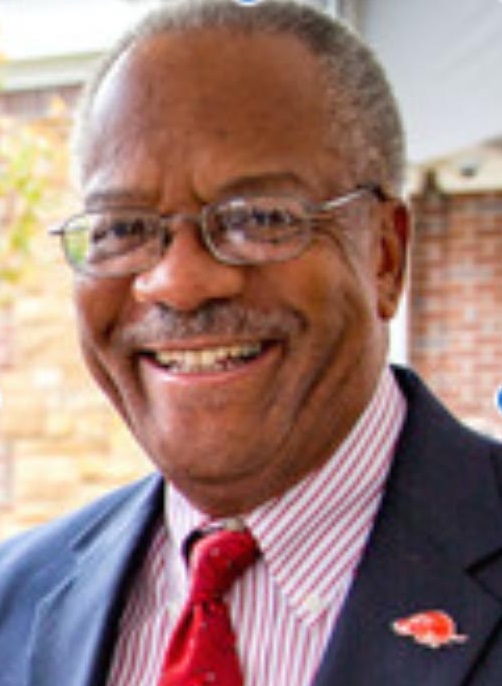
Gerald Jordan is retiring from the journalism faculty at the University of Arkansas after 27 years there, closing his career with Journalism Educator of the Year honors presented on June 25, 2022, by the Arkansas Press Association.
Prior to joining the Arkansas faculty Jordan worked 12 years (and afterward, 15 summers) at the Philadelphia Inquirer, first as a reporter and later as an editor. Jordan was on the editorial board of the Boston Globe from October 1978 until April 1979. When he graduated from Medill in 1971 he worked as a sports reporter and later editorial writer, then returned to write a TV/radio column for The Kansas City Star. He also was a Nieman Fellow in 1981-82.
Richard “Rick” Glenn Ebel, 89, died on May 16th after a long fight with Lewy body dementia in Silverton, Oregon. He was preceded in death by his beloved wife, Nancy McGregor Ebel, who died on September 9, 2011.
Rick, a man of enormous intellect, had a smile which could disarm anyone and was a friend to all who knew him. He was the loving father of and is survived by his son Robert Ebel (wife Melissa Ebel) of Beaufort, SC and grandfather to their children Ashlyn and Brandon Ebel; and his daughter, Challen Bomont (husband Steve Bomont) of Wilsonville, OR and grandfather to their daughter, Donelle Bomont.
Rick grew up in Holland and Grand Haven, MI. He was a graduate of Northwestern University Medill School of Journalism in 1954 and a member of Theta Delta Chi fraternity. In his 40’s, Rick decided to go back to school and earned a master’s degree at Northern Illinois University. In his later years, he took classes at Oregon State University in Corvallis where he and his wife ‘Nan’ ultimately retired.
Rick served in the Unites States Army during the Korean War, eventually being stationed in Japan. Upon receiving his honorable discharge, he married Nancy McGregor, his wife of 55 years, and embarked on a lengthy career in advertising and public relations. An early advocate of advertising education, Rick was most at home on college campuses across the country where he lectured students in marketing. He was inducted into his industry’s Hall of Fame in 2008. The Ebel’s resided in Northbrook, IL for many years followed by Grapevine, TX, Hot Springs, AK and finally Corvallis, OR.
Rick was a member of the United Methodist Church where he taught Sunday School for more than a decade and held numerous lay positions.
Rick authored both academic books and a work of fiction. Rick was an avid sailor, animal lover, Detroit Tigers fan, voracious reader and connoisseur of the perfect “martini!” which in heaven are now limitless for him.
https://www.legacy.com/us/obituaries/chicagotribune/name/richard-ebel-obituary?id=34987845
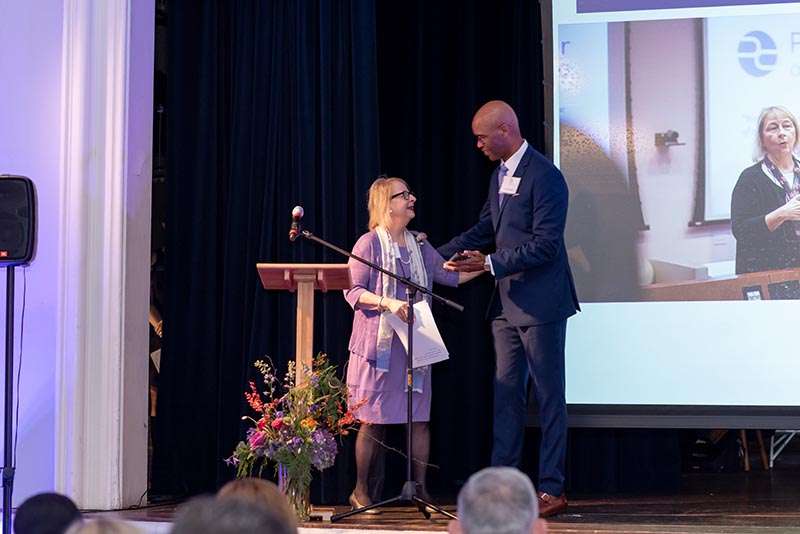
A gift from Medill grad Mike Lazerow and his wife will support graduate journalism students. Mike (BSJ96, MSJ96) and Kass Lazerow created The Mary Dedinsky Graduate Journalism Scholarship to honor Mary Dedinsky’s (BSJ69, MSJ70) long-time service to Medill and the broader journalism profession.
The Mary Dedinsky Graduate Journalism Scholarship will be awarded for the first time to an incoming graduate journalism student in fall 2022, with a preference for a student who could add diversity to the class.
Dedinsky is a Medill emeritus professor who served as associate dean at Medill and director of the journalism program at NU-Q, Medill’s pioneering program in Qatar. Dedinsky was inducted into the Medill Hall of Achievement as a part of the 2020 class. She continues to teach at Medill, and she serves on the governing board of Education for Employment, an international organization that helps young people in many countries move from school to employment.
Before Medill, Dedinsky was an editor and reporter. At the Chicago Sun-Times, she became the first woman to be named managing editor of a major metropolitan newspaper. She also served as an education reporter, investigative reporter, editorial writer, metropolitan editor and director of editorial operations. For her work at the Sun-Times, she was elected to the Chicago Journalism Hall of Fame and twice served as a Pulitzer Prize juror.
According to Medill Dean Charles Whitaker (BSJ80, MSJ81), scholarship funding is one of the school’s most essential needs. “The Mary Dedinsky Graduate Journalism Scholarship will help us attract the most talented students and make their graduate education possible,” he said. “I am deeply grateful to Mike and Kass for this wonderful support — especially in tribute to Mary, who is such a cherished member of the Medill family.”
In the spring of 1992, Mike Lazerow went to Dedinsky, his academic adviser, with the idea for his first entrepreneurial business venture. Dedinsky encouraged Lazerow to pursue it. Soon University Wire (U-Wire) was born, Lazerow’s first tech startup created to collect and distribute news to college newspapers via the internet.
“Being his adviser, I felt I needed to always be on my toes,” she said. “This young man was coming up with new ideas and new things, and it was a challenge for me to think imaginatively and creatively myself. It is so exciting when you meet someone who inspires you.”
U-Wire launched Lazerow’s career in entrepreneurship. Since then, he and Kass Lazerow have co-founded several businesses, invested in more than 60 tech startups and currently run their venture capital firm Velvet Sea Ventures, which has close to $400 million in assets under management.
Mike Lazerow remembers Dedinsky as much more than an adviser — she was a friend who attended his wedding in 1999.
“She didn’t just teach at Northwestern,” Lazerow said. “She fundamentally changed my Northwestern experience.”
Dedinsky was both surprised and honored when she got the call about the Lazerows’ decision to create a scholarship in her name.
“Knowing Mike and Kass has really been a gift to me and enriched my life,” she said. “When I heard about the scholarship, I couldn’t quite believe it.”
The Lazerows named the scholarship in honor of a beloved professor and celebrated journalist hoping to inspire others to donate and support graduate journalism. So far, the couple’s plan is working as the estate of a late Medill grad anonymously matched the Lazerows’ donation to fund additional scholarships in Dedinsky’s honor.
For the Lazerows, student support was an obvious choice for their gift. “The scholarship provides one thing: opportunity,” Mike Lazerow said. “Going to Medill gives you practical skills to go out and succeed in whatever you want to do. The biggest hurdle is money. Creating graduate scholarships makes Northwestern a more competitive school, so we can attract different points of views and backgrounds.” The Lazerows previously supported the Mike and Kass Lazerow Graduate Scholarship and are members of the Northwestern University Leadership Circle. Mike Lazerow also serves on Medill’s Board of Advisers.
Gifts to the Mary Dedinsky Graduate Journalism Scholarship may be made online (explore “Search School and Program Funds”). Alternately, those wishing to support the fund may send a check to:
Northwestern University
Alumni Relations and Development
1201 Davis Street, Suite 1-400
Evanston, IL 60208-4410
Please make check out to Northwestern University and note the Mary Dedinsky Graduate Journalism Scholarship in the memo or enclosure.
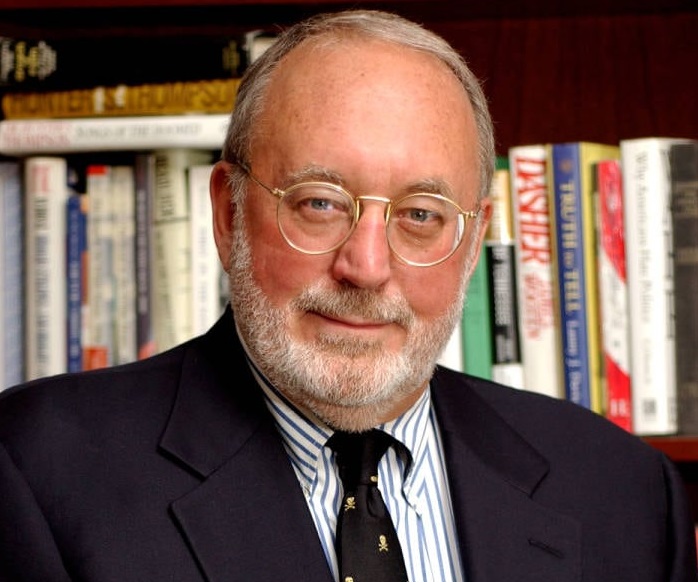
Ken Bode, political journalist and former Medill dean, died June 2 at a care center in Charlotte. He was 83. During Bode’s career in journalism, he reported on the presidential campaign trail for NBC, made prizewinning documentaries for CNN and moderated “Washington Week” for PBS.
Associate Professor Emeritus Richard Roth, who was hired by Bode in 1998 and served as his senior associate dean, offered this:
“I am saddened at the news of Bode’s death. He was a giant in journalism – NBC’s chief national political correspondent and, later, even during his first two years as dean at Medill, moderator of PBS’s “Washington Week in Review” – and a gifted teacher and a visionary dean.
It was Bode, who earned a PH.D. in political science before becoming a political reporter, who saw a future in “specializations” at Medill — having graduate journalism programs in partnerships with the Northwestern schools of business, law and medicine, to supplement the basic and industry-specific teaching of Medill’s own accomplished faculty. Some students also earned master’s degrees from the law school and some certificates from Kellogg.
I recall, too, an early conversation with Bode in 1998 when he said, “I am not going to be dean of a second-rate broadcast journalism program,” which motivated him to close a deal with the McCormick Tribune Foundation to provide funding for a new building with a state-of-the-art broadcast studio, from which a regular newscast to the campus could be produced. Finally, I might note, Bode used a million-dollar gift from Medill alumnus Rance Crain and Bode’s own national political connections to bring a diverse selection of big-name speakers to Medill and Northwestern, including the likes of Special Prosecutor Ken Starr to talk about the impeachment of Bill Clinton; Israeli Prime Minister Benjamin Netanyahu; his former NBC colleague Tom Brokaw; civil rights activist and journalist Charlayne Hunter-Gault; former First Lady Rosalynn Carter; the late Sen. John McCain; the Rev. Jesse Jackson and another great Chicagoan, journalist and writer Studs Terkel. He was more than just a colleague and boss: Bode, his wife and his daughters, were friends as well. I will miss him and his big personality greatly.”
Ken Bode, political journalist and former Medill dean, died June 2 at a care center in Charlotte. He was 83. During Bode’s career in journalism, he reported on the presidential campaign trail for NBC, made prizewinning documentaries for CNN and moderated “Washington Week” for PBS.
Medill Associate Professor Emeritus Richard Roth, who was hired by Bode in 1998 and served as his senior associate dean, offered this:
“I am saddened at the news of Bode’s death. He was a giant in journalism – NBC’s chief national political correspondent and, later, even during his first two years as dean at Medill, moderator of PBS’s “Washington Week in Review” – and a gifted teacher and a visionary dean.
It was Bode, who earned a PH.D. in political science before becoming a political reporter, who saw a future in “specializations” at Medill — having graduate journalism programs in partnerships with the Northwestern schools of business, law and medicine, to supplement the basic and industry-specific teaching of Medill’s own accomplished faculty. Some students also earned master’s degrees from the law school and some certificates from Kellogg.
I recall, too, an early conversation with Bode in 1998 when he said, ‘I am not going to be dean of a second-rate broadcast journalism program,’ which motivated him to close a deal with the McCormick Tribune Foundation to provide funding for a new building with a state-of-the-art broadcast studio, from which a regular newscast to the campus could be produced. Finally, I might note, Bode used a million-dollar gift from Medill alumnus Rance Crain and Bode’s own national political connections to bring a diverse selection of big-name speakers to Medill and Northwestern, including the likes of Special Prosecutor Ken Starr to talk about the impeachment of Bill Clinton; Israeli Prime Minister Benjamin Netanyahu; his former NBC colleague Tom Brokaw; civil rights activist and journalist Charlayne Hunter-Gault; former First Lady Rosalynn Carter; the late Sen. John McCain; the Rev. Jesse Jackson and another great Chicagoan, journalist and writer Studs Terkel. He was more than just a colleague and boss: Bode, his wife and his daughters, were friends as well. I will miss him and his big personality greatly.”
Read Bode’s obituary in the Washington Post.
Photo credit: Dr. Bode in 2004. (Matt Bowen/DePauw University)